Step 1
Step 1
Schedule a tour of your home with your agent.
Step 2
Discuss any potential repairs, upgrades or staging to be completed before listing your home.
Step 3
Establish an asking price based on the current market and comparable property listings.
Step 4
Prepare your home to be photographed and put on the market.
The market value of your home is based on a combination of factors including:
Pricing strategy plays a key role in the home selling process, and can mean the difference between selling right away or sitting on the market for months.
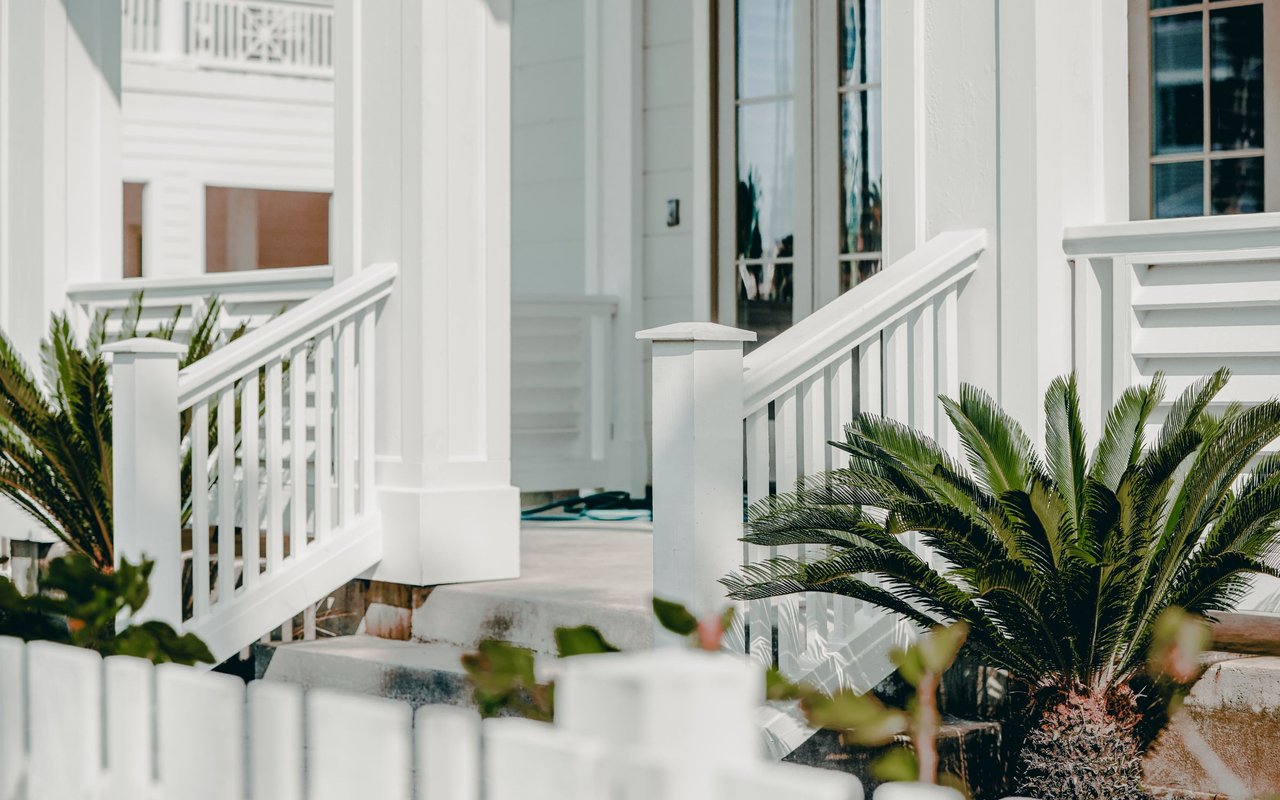
It's important to understand that the amount you want for your home may not be a realistic price for the market, and the amount of money you have spent on it does not determine the market value.
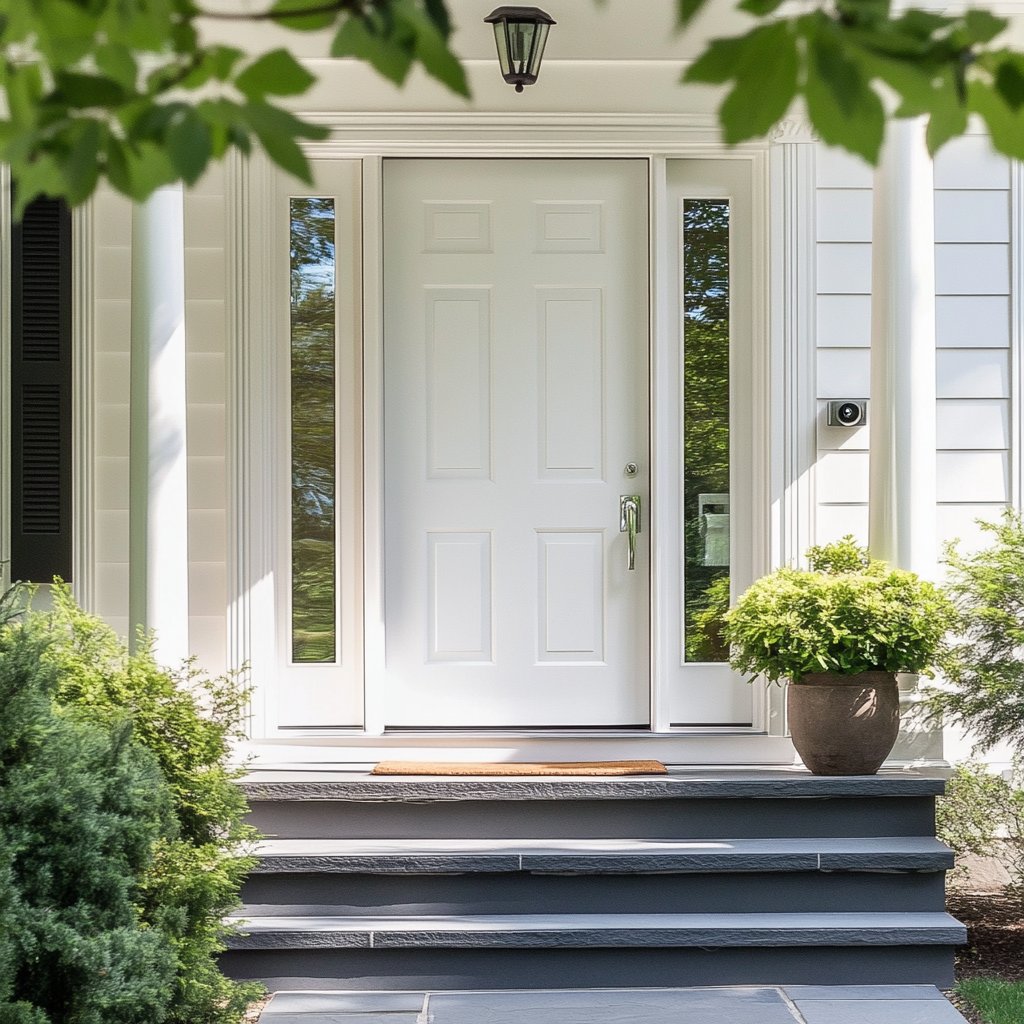






Your home will be put on the MLS where it can be seen by other real estate agents who are searching for homes for their buyers. Your listing will also be posted on websites like Zillow and Realtor.com where potential buyers will be able to find your home.
A For Sale sign will be placed out in front of your home, as well as Open House signs before an open house takes place.
A lock box will be put on your door once your home is on the market. It's best for sellers not to be present at the time of showings, and a lock box allows agents who schedule showings to access your home with interested buyers.
An open house will be strategically scheduled to attract attention to your home. Open houses are a great way to generate interest and get more potential buyers to see your home.
We will create a virtual walkthrough to give your listing an advantage over other listings by allowing buyers to see your home in more detail online.
Your home will be featured in our email newsletter as well as sent out to our active buyers list of clients who are currently looking for homes.
Your listing will be shared with our extensive network of real estate agents to increase your home's visibility.
We use a variety of social media networks like Instagram, Facebook, Pinterest, Twitter and LinkedIn to get the word out about your listing.
Accepting the highest price offer may seem like the logical choice, but there are many factors to consider when reviewing an offer and knowing your options lets you come up with a plan that works best for you.
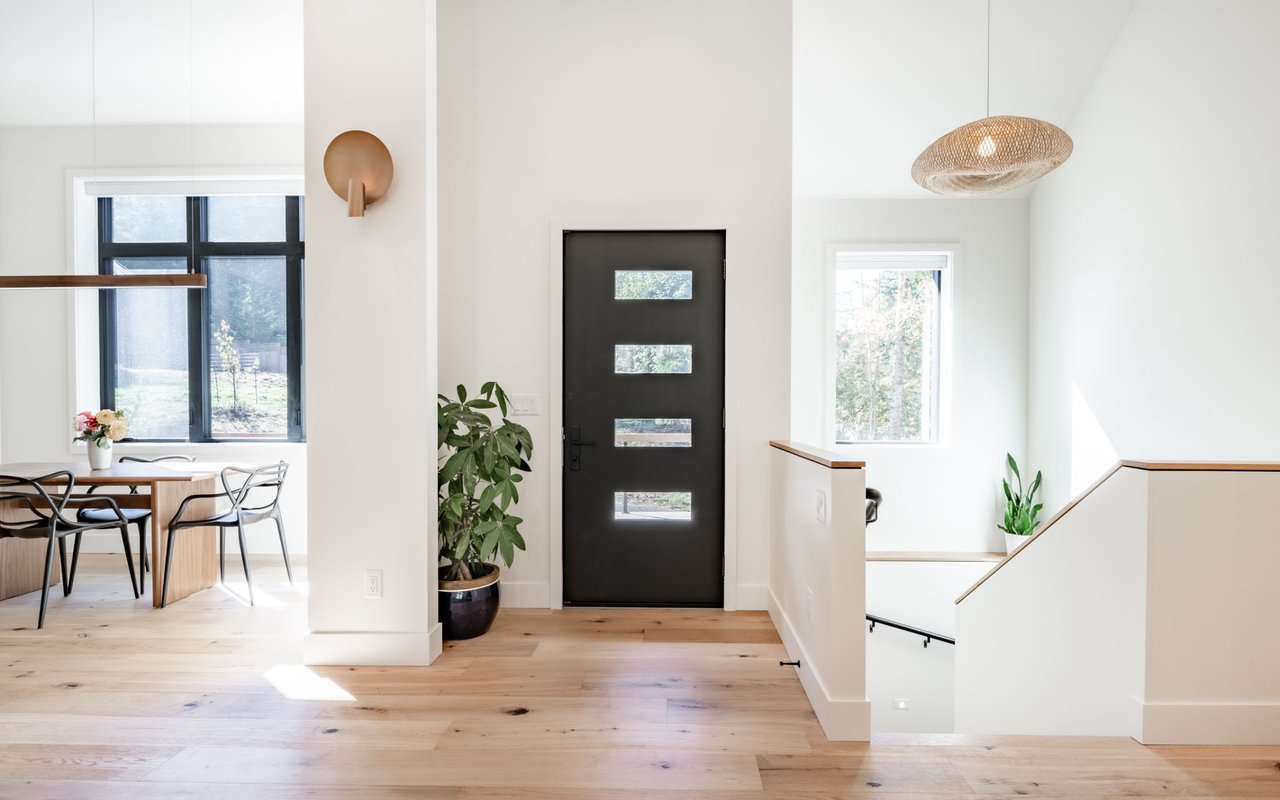
Some sellers accept a lower priced cash offer over a higher priced loan offer because there are typically less issues that come up, like for example a loan falling through. Consider your timeline and finances to evaluate if it is worth accepting a lower offer for a faster closing and often a much simpler process.

Some buyers may be looking to move in as soon as possible, while others may need more time in order to sell their own house. You may be able to select an offer based on a timeframe that works best for you, or you might have to be more flexible in order to close the deal.
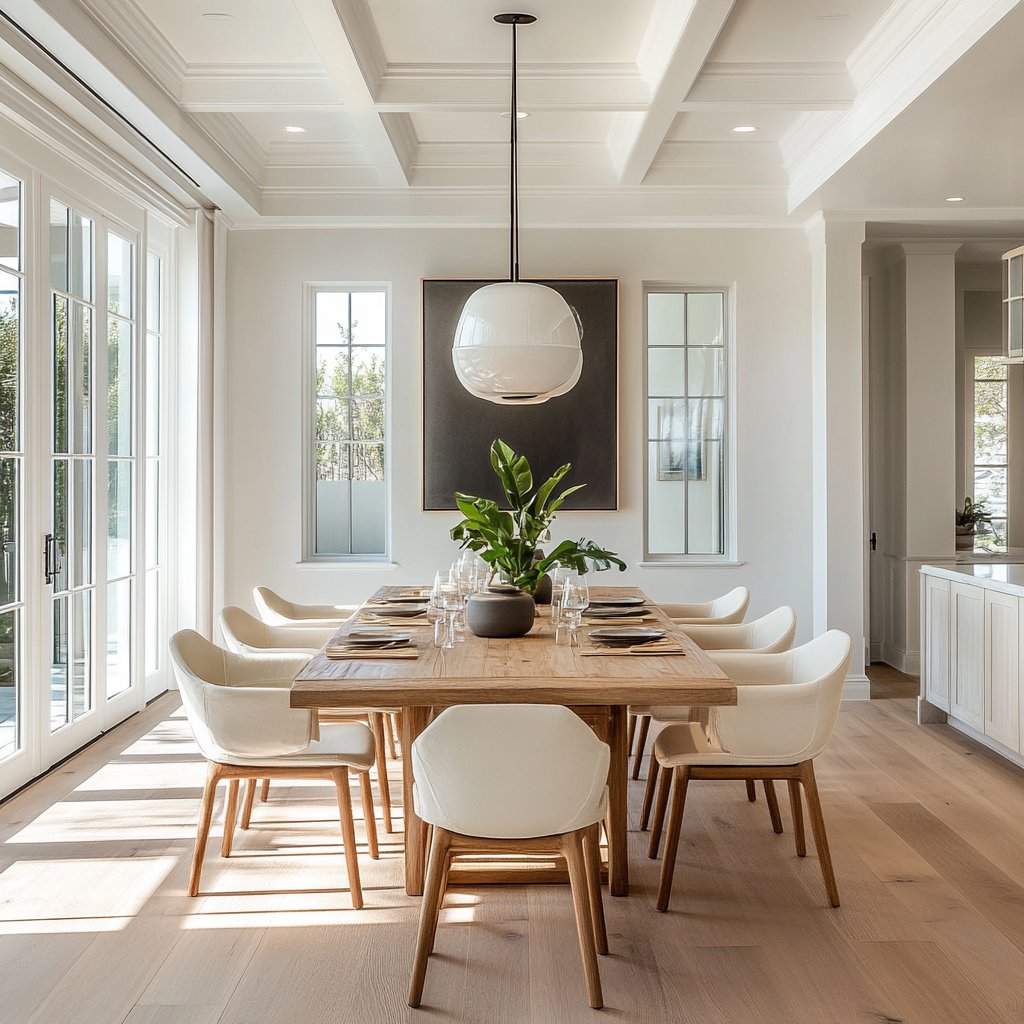
Closing costs fall under the buyer's list of expenses, but buyers may ask the seller to pay for a portion, or all of this expense, as part of the sale negotiation.

A contingency clause is a qualifying factor that has to be met in order for the buyer to move forward with the sale. Contingency clauses often include details of financing, inspections and home sales, and the terms can be negotiated between the parties. The contingency allows the buyer to back out of the contract without penalty if the terms are not met.
Closing is the final step in the selling process. On the day of closing, both parties sign documents, funds are dispersed, and property ownership is formally transferred to the buyer.

Closing expenses for sellers can include:

Items to bring to closing: